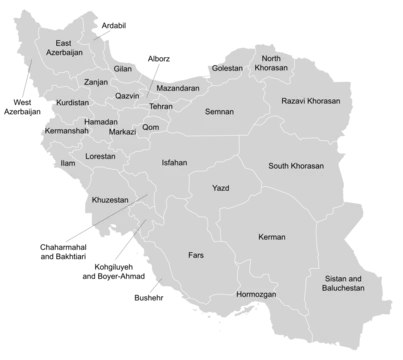
Fars province
Ancient Persian homeland, cradle of Achaemenid and Sasanian empires.

Bryn Pinzgauer · CC BY 2.0
Fars Province, historically known as Pars, Farsistan, and Persis, is one of the 31 provinces of Iran, with its capital at Shiraz. It is the historical homeland of the Persian people and the birthplace of the Achaemenid and Sasanian dynasties, whose empires shaped ancient Persia.
- capital
- Shiraz
- location
- southwest Iran, Region 2
- historical_name
- Pars, Persis
Lore & Background
The ancient Persians were present in the region from about the 10th century BC, and under the Achaemenid dynasty (established mid-6th century BC) they created the largest empire yet seen, stretching from Eastern Europe to the Indus Valley. The ruins of Persepolis and Pasargadae, two of the four Achaemenid capitals, lie in Fars. Babak, ruler of the small town Kheir, was the father of Ardashir I, who expanded power over all of Persis. The Arab invaders ended centuries of Zoroastrian dominance, and Islam gradually became the majority faith over the next 200 years.
Reader's Guide
Fars Province holds profound significance as the ancestral heartland of the Persian people and the core region of two of the most influential empires of the ancient world: the Achaemenid and Sassanian dynasties. Its archaeological sites—Persepolis, Pasargadae, Bishapur, and Firouzabad—are world heritage monuments that reflect the political, cultural, and architectural achievements of these empires. The name 'Persia' itself derives from this region via the Greek 'Persis,' and for centuries the entire country was referred to as Persia in the West due to Fars's historical prominence. Today, Fars remains a vital part of Iran, with a diverse population including Persians, Qashqai, Lurs, Arabs, Kurds, Georgians, and Circassians. Its economy relies on agriculture (wheat, citrus, dates), petrochemicals, oil refining, tire manufacturing, electronics, and tourism. The province also features three distinct climatic zones and protected wildlife areas such as Bamu National Park and the Ramsar-designated Arjan Meadow and Lake Parishan. Shiraz, the capital, is the namesake of Shirazi wine, historically produced in numerous local wineries.
Did You Know?
- The English word 'Persia' originates from the region through the Ancient Greek 'Persis'.
- The ruins of Persepolis and Pasargadae, two of the four Achaemenid capitals, are located in Fars.
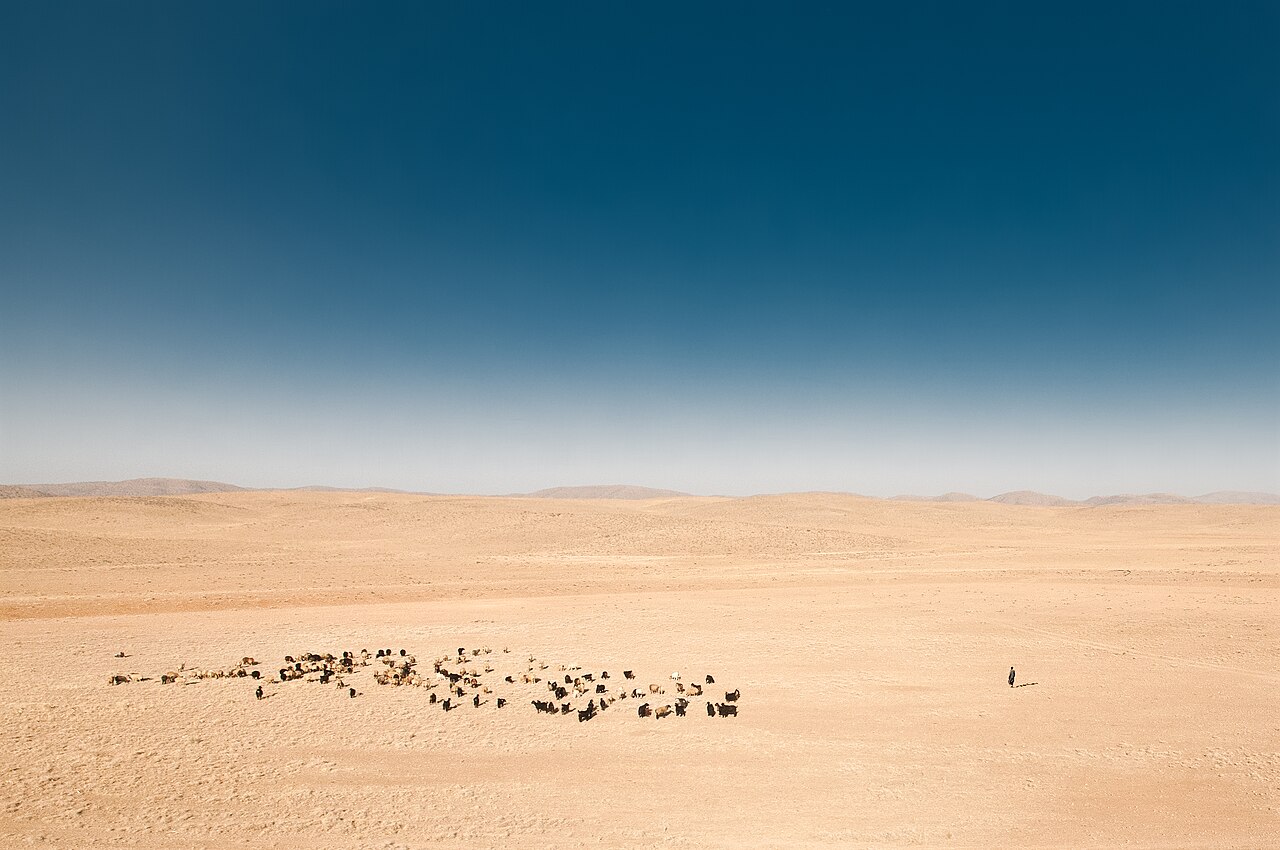
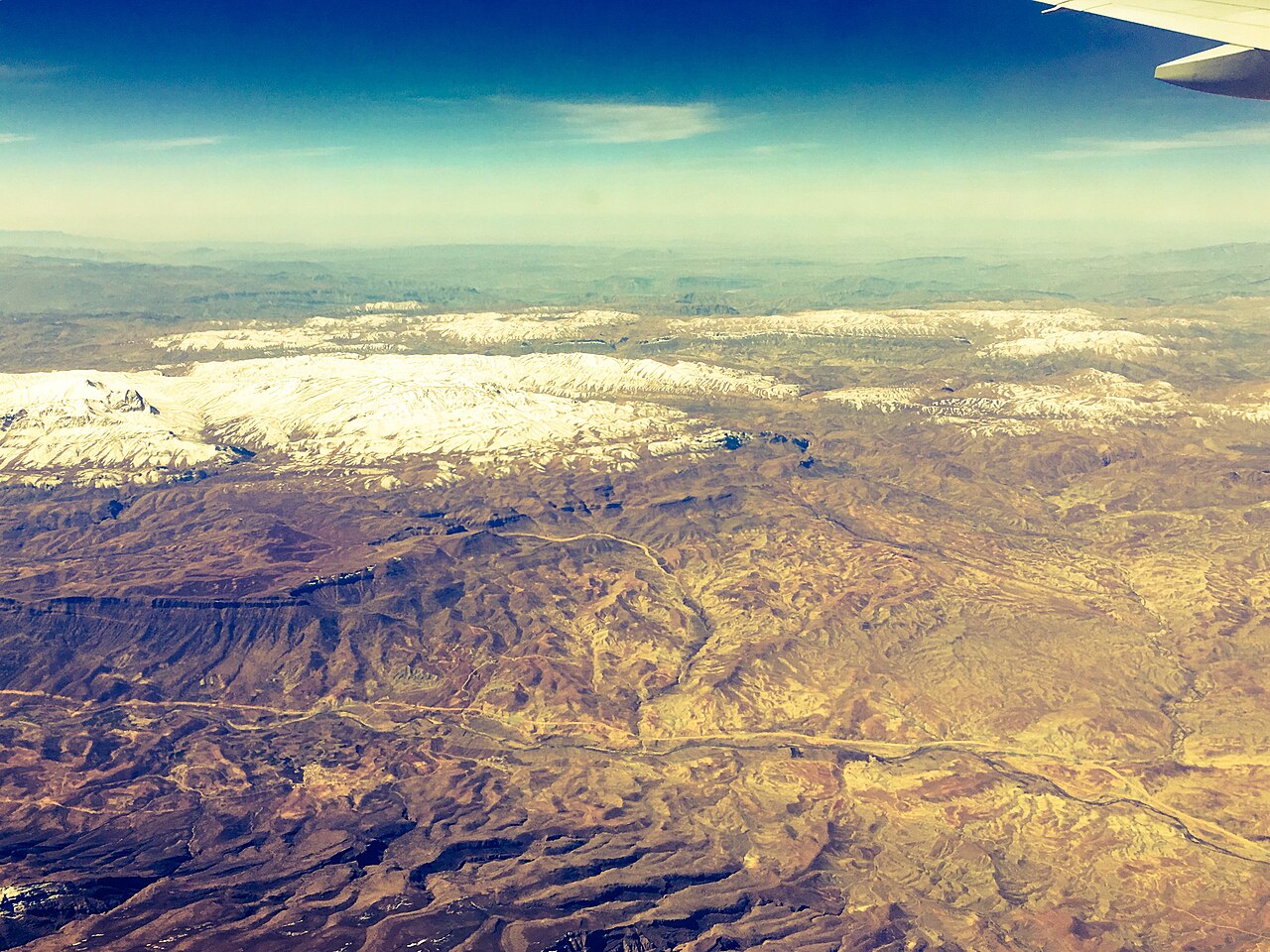
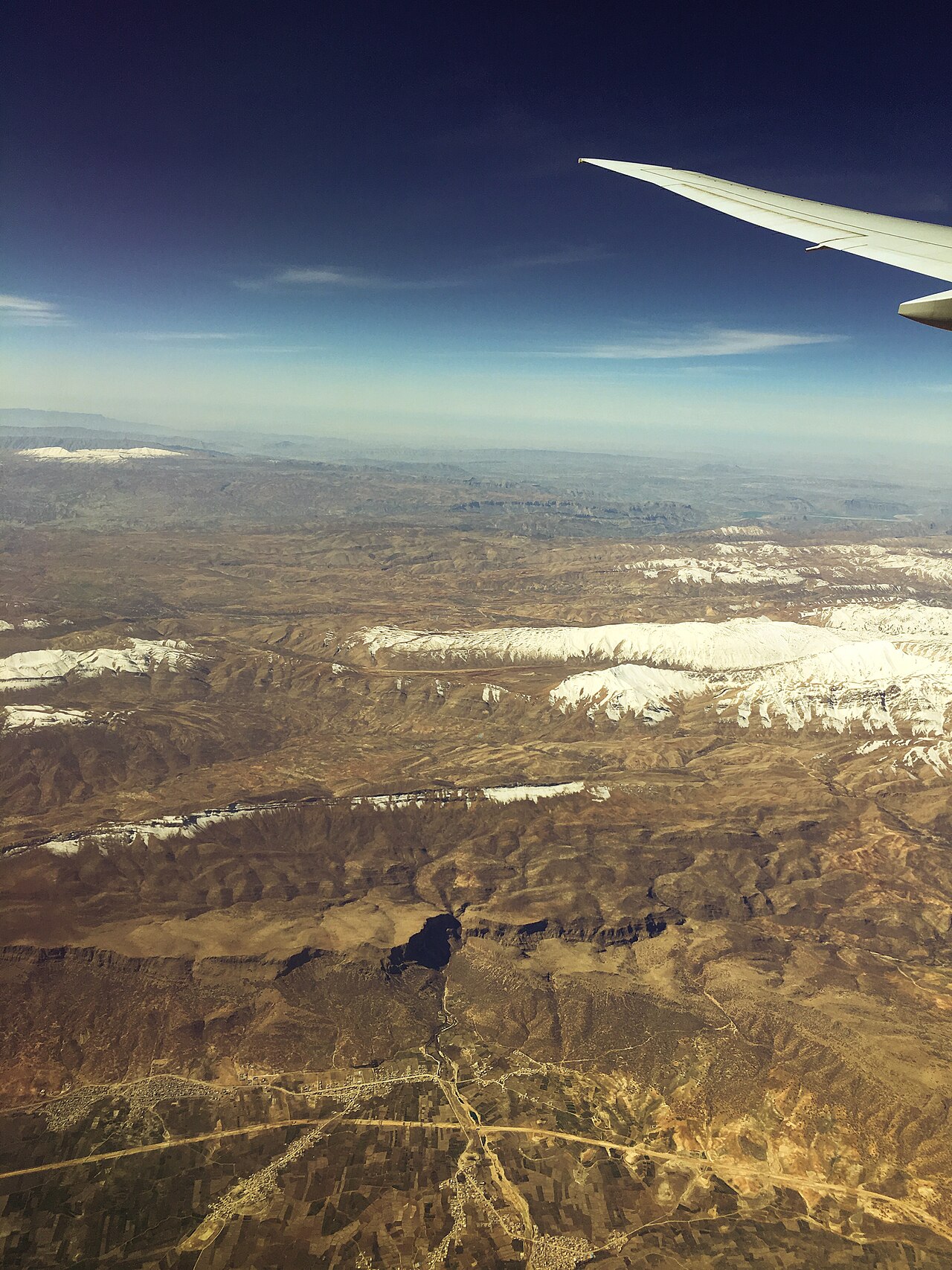
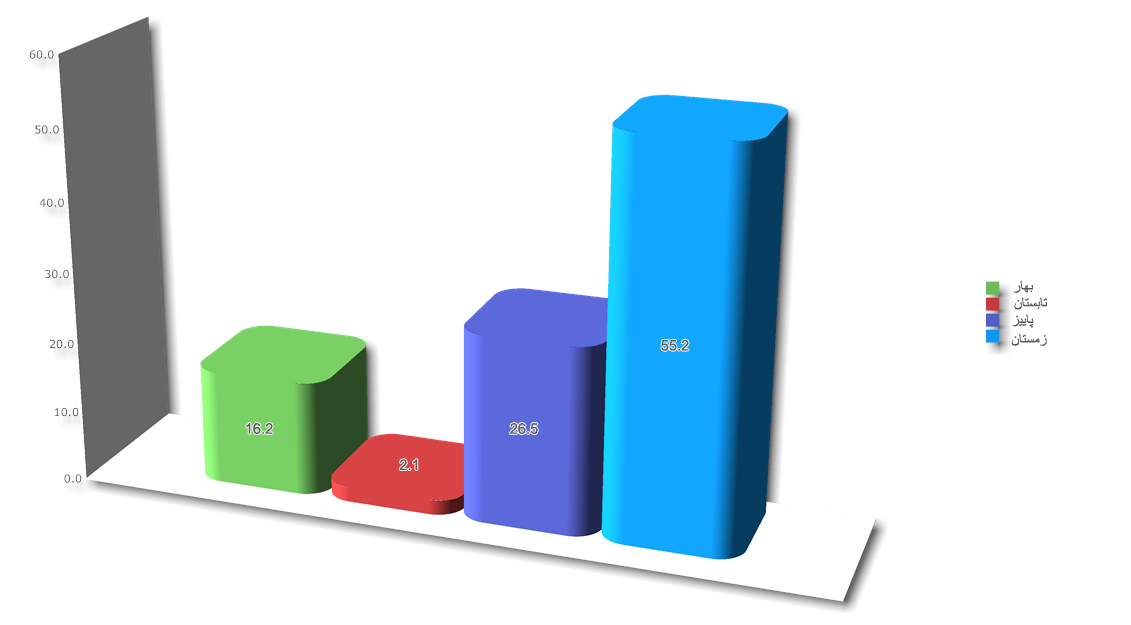
- Fars has three distinct climatic regions: mountainous north, central moderate, and southern hot.
The Name That Named a Nation
The province we call Fars carries a name with roots stretching back to the Old Persian Pârsâ, the indigenous designation for the land and its people. That single word traveled through the Greek rendering Persis and eventually became the English "Persia," a label that once described not just this southwestern corner of Iran but the entire country in Western eyes. Before the arrival of caliphate rule, the region simply went by Pars, and it served as the ancestral homeland of the Persian people. The historical weight of this territory is so profound that the Achaemenid and Sasanian dynasties, both of which rose from these very lands, shaped the political destiny of the ancient world. The ruins of their capitals—Pasargadae and Persepolis—still stand within the province's borders, tangible proof that the name Fars is not merely a modern administrative label but the living echo of a civilization that defined itself, and was defined by others, for millennia.
The Achaemenid Colossus
The ancient Persians had been settled in this region since roughly the tenth century BC, but it was the mid-sixth century BC that transformed a local kingdom into the most expansive state the world had ever witnessed. The Achaemenid dynasty, born in Pars, built an empire whose western frontier reached Thrace, Macedonia, and the lands of modern Bulgaria, while its eastern edge stretched all the way to the Indus Valley. Two of the dynasty's four imperial capitals—Persepolis and Pasargadae—left their monumental ruins squarely within what is now Fars province, making the landscape itself a museum of imperial ambition. Alexander the Great shattered that order in 333 BC, and the Seleucid successors who followed never managed to push their authority beyond the principal trade routes. By the reign of Antiochus I, or perhaps a little later, Persis had reasserted itself as a sovereign entity, even minting its own coinage. The Seleucids briefly reasserted control under Antiochus III around 205 BC, but the region's independence had already proven that the political center of gravity had not fully shifted away from these lands.
From Local Chieftain to Imperial Founder
The story of the Sasanian Empire begins not with a grand army but with a man named Babak, ruler of the small town of Kheir, whose quiet consolidation of local power went unnoticed by Artabanus IV, the Parthian Arsacid emperor of the day. Babak and his eldest son Shapur I steadily extended their grip over all of Persis. After Babak's death around 220, his son Ardashir—then governor of Darabgird—found himself locked in a rivalry with his elder brother Shapur. Ardashir pushed his capital southward, establishing Ardashir-Khwarrah at the site of ancient Gur, today's Firouzabad. From that base he demanded loyalty from every local prince in Pars and swept into neighboring Kerman, Isfahan, Susiana, and Mesene. When Artabanus finally marched against him in 224, the two armies met at Hormizdegan, where the Parthian emperor fell. Ardashir was crowned at Ctesiphon in 226, ending four centuries of Parthian rule and launching a Sasanian dynasty that would hold power for 425 years, pitting Persia against the Byzantine Empire as the great rival of the ancient world.
A Mosaic of Peoples
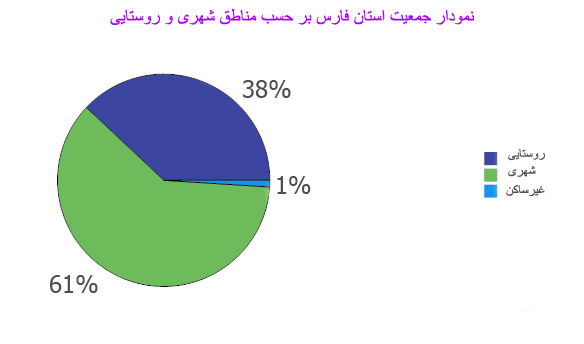
Fars province has long served as a crossroads where diverse communities settled and intermingled. The dominant ethnic group consists of indigenous Persians, including the Larestani and the Basseri, while Qashqai, Lurs, Arabs, Kurds, Georgians, and Circassians form the minority fabric of the population. Tribal groups such as the Mamasani Lurs, Khamseh, and Kohkiluyeh have preserved distinctive cultural practices and lifestyles that remain a draw for visitors exploring Iran's heritage. Among the Kurdish communities are the Uriad, Zangana, Chegini, Kordshuli, and Kuruni. A particularly striking chapter involves the Caucasians: hundreds of thousands of Georgians and Circassians were relocated to Persia under Shah Abbas I and his predecessors, many assigned to guard caravan routes and settled around Āspās and villages along the old Isfahan-to-Shiraz road. Over the centuries, the vast majority of these Caucasian settlers have been absorbed into the broader population, losing their original linguistic, cultural, and religious identities. Demographically, the province has grown steadily, from just over 4.2 million in 2006 to nearly 4.85 million by 2016, with more than 70 percent of residents now living in urban areas.
Gallery
Frequently Asked Questions
What is Fars Province?
Fars Province is one of Iran's 31 provincial divisions, located in the southwest of the country within Region 2. It has also been called Pars, Farsistan, or Persis throughout history, and its capital city is Shiraz.
Why is Fars Province considered so important?
Fars is widely regarded as the ancestral homeland of the Persian people and the birthplace of both the Achaemenid and Sasanian empires. Those two dynasties shaped the trajectory of ancient and medieval Persian civilization, giving the province a uniquely foundational place in Iranian history.
What are Fars Province's other historical names?
Over the centuries the region has been referred to as Pars, Farsistan, and Persis in various historical sources. These older designations reflect its deep roots as the heartland of early Persian civilization.
More in Provinces Of Iran 1-24
Elsewhere in the Provinces Of Iran universe
Spotted an error? Know more?
This is a living reference — every entry is fact-audited, and reader corrections feed straight into our audit queue. Suggest an edit · See this site's audit record