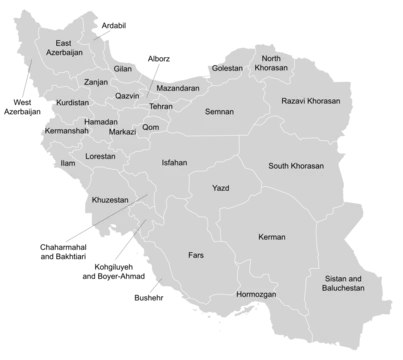
Hormozgan province
Southern Iranian province on the Strait of Hormuz.

ghzizoo2 · CC BY-SA 3.0
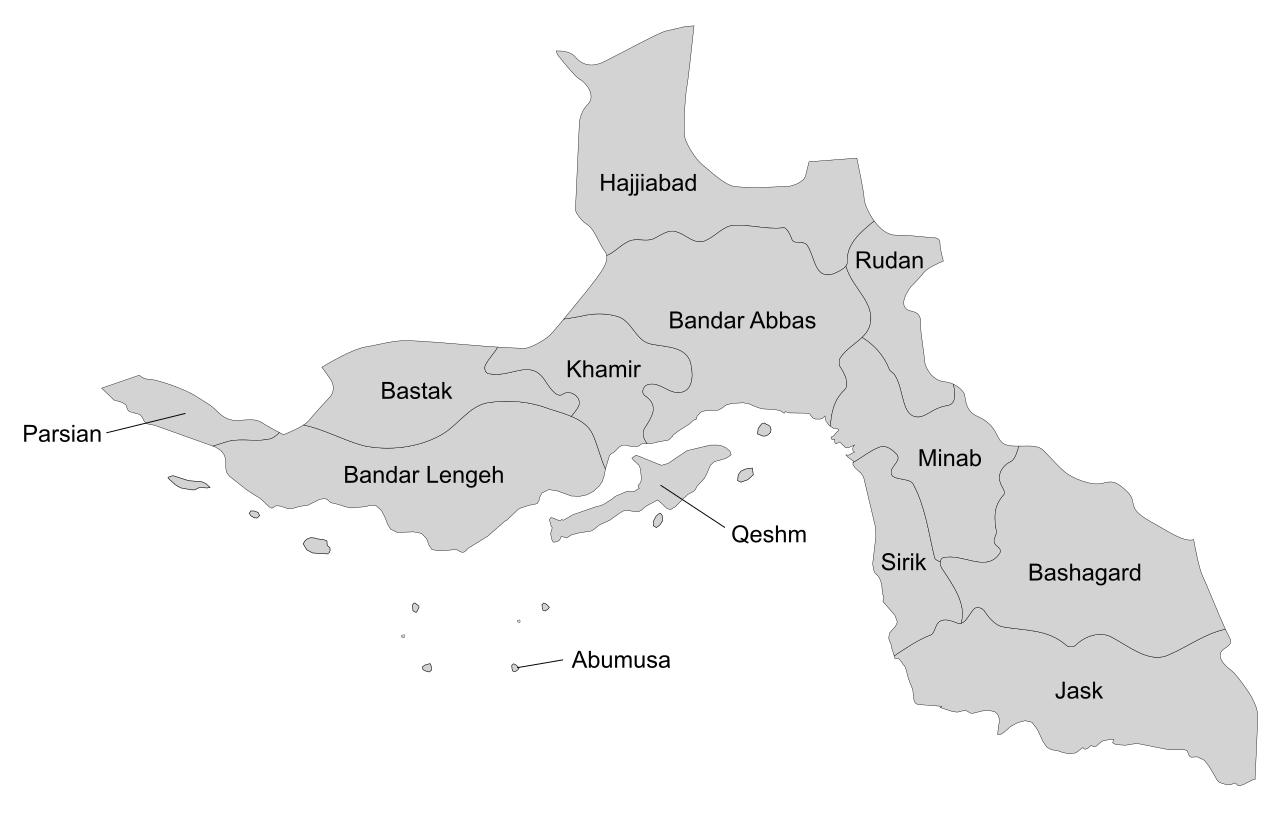
Hormozgan province is one of the 31 provinces of Iran, located in the south of the country in Iran's Region 2, facing Oman, the United Arab Emirates, and the Strait of Hormuz. Its capital is Bandar Abbas.
- Capital
- Bandar Abbas
- Region
- Iran's Region 2
- Islands
- 14 in the Persian Gulf
Lore & Background
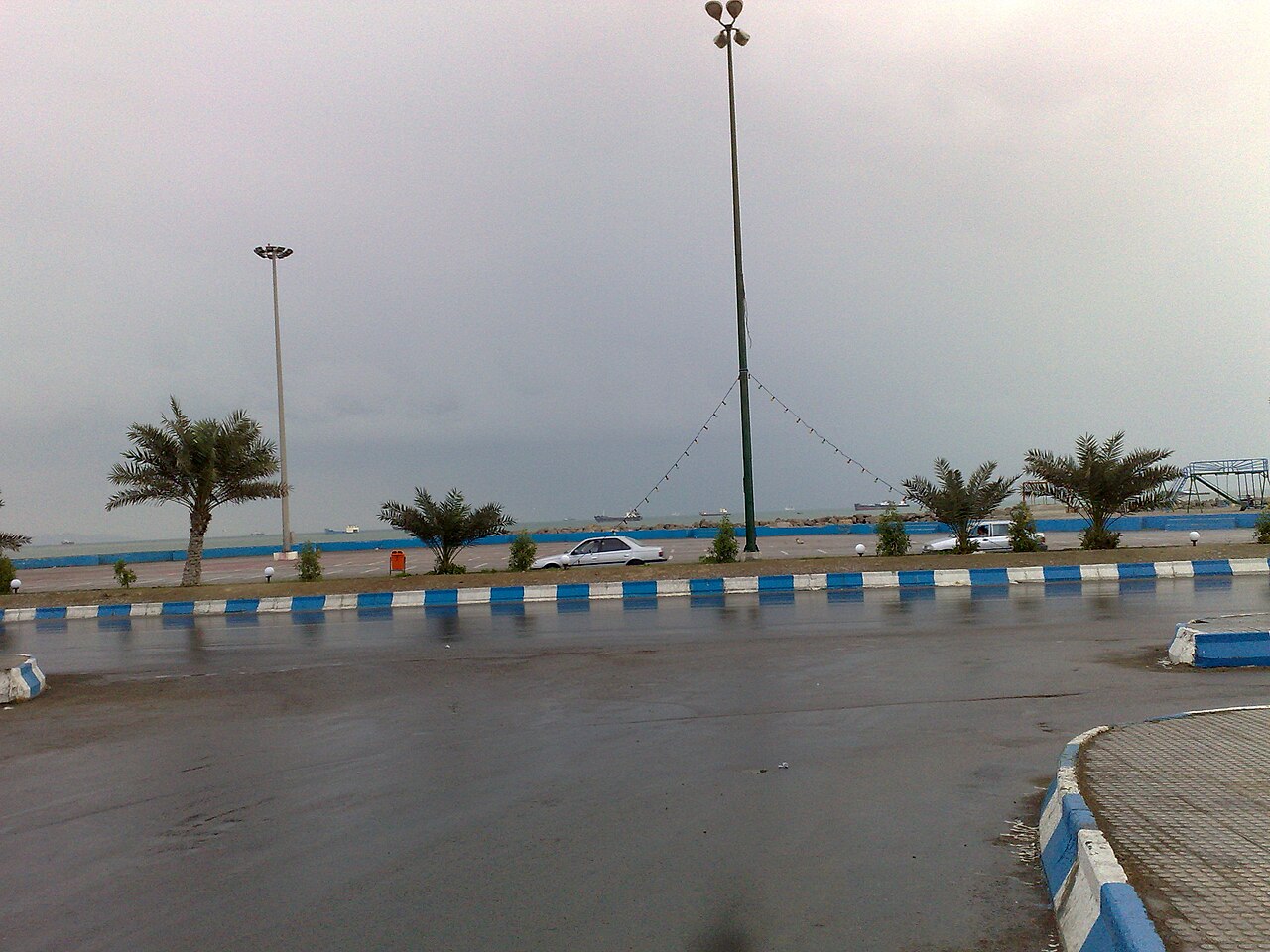
The strategic importance of the Persian Gulf increased after World War I with the discovery of oil. Today, Hormozgan has 11 ports, five air strips, three national airports, and active agriculture and fishery sectors.
Reader's Guide
Hormozgan province holds enduring significance as a crossroads of trade, empire, and conflict in the Persian Gulf. Its location on the Strait of Hormuz, a chokepoint for global oil shipments, has made it a strategic prize for centuries—from the Portuguese and British to modern geopolitical rivalries. The province's history reflects the interplay of local powers, such as the Baloch-led expulsion of Europeans, and external forces like the British East India Company. Today, Hormozgan remains economically vital: it ranks first in Iran in lime production, second in date production, and supplies 30% of Iran's fishery produce. Its free trade zones on Kish and Qeshm islands host the Iranian oil bourse, which notably does not trade in U.S. dollars.
Did You Know?
- The province ranks first in Iran in lime production and second in date production.
Strategic Crossroads – Colonial Rivalries and the Strait of Hormuz
Hormozgan's position facing Oman, the United Arab Emirates, and the Strait of Hormuz made it a magnet for imperial ambition. The port of Hormuz was already a thriving trading hub by the time Marco Polo passed through in 1272 and 1293, where merchants exchanged Persian jewelry, Indochinese silk, ivory, and Bahraini pearls. The arrival of Vasco da Gama in 1497 marked the first European landing in the region, followed by Afonso de Albuquerque's seven warships in 1508, who anchored to protect Portuguese commercial interests tied to Egypt and Venice. Safavid Shah Abbas I ultimately expelled the Portuguese from the Gulf with British assistance, and the city that bears his name—Bandar Abbas—remains the provincial capital. The Dutch, meanwhile, developed Qeshm Island and dispatched warships toward Bandar Abbas, prompting the British to consolidate control over the entire Persian Gulf through the East India Company, adopting a policy of encouraging local autonomy to prevent any unified regional power from threatening their gulf establishments.
Arid Terrain and Agricultural Resilience
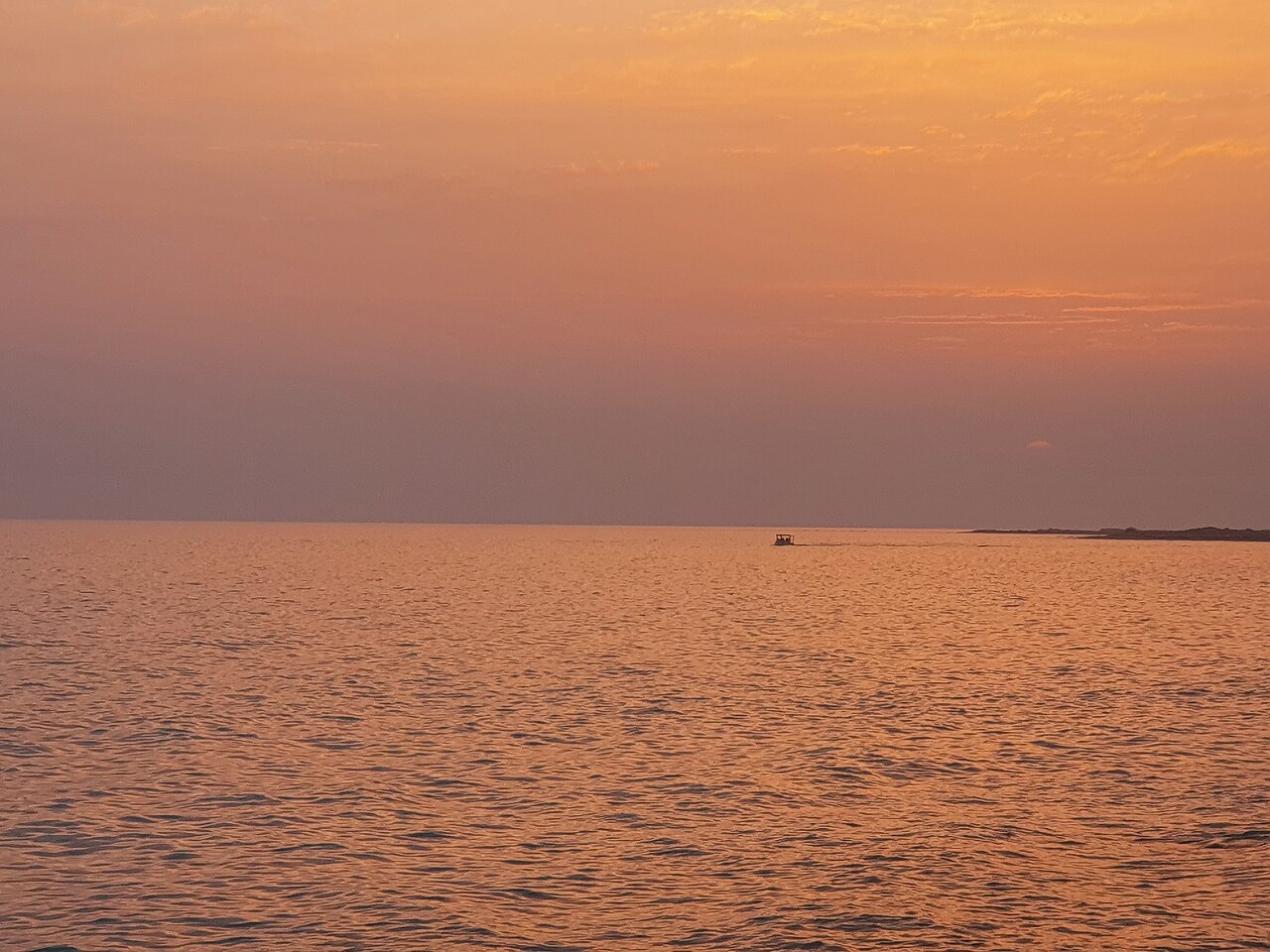
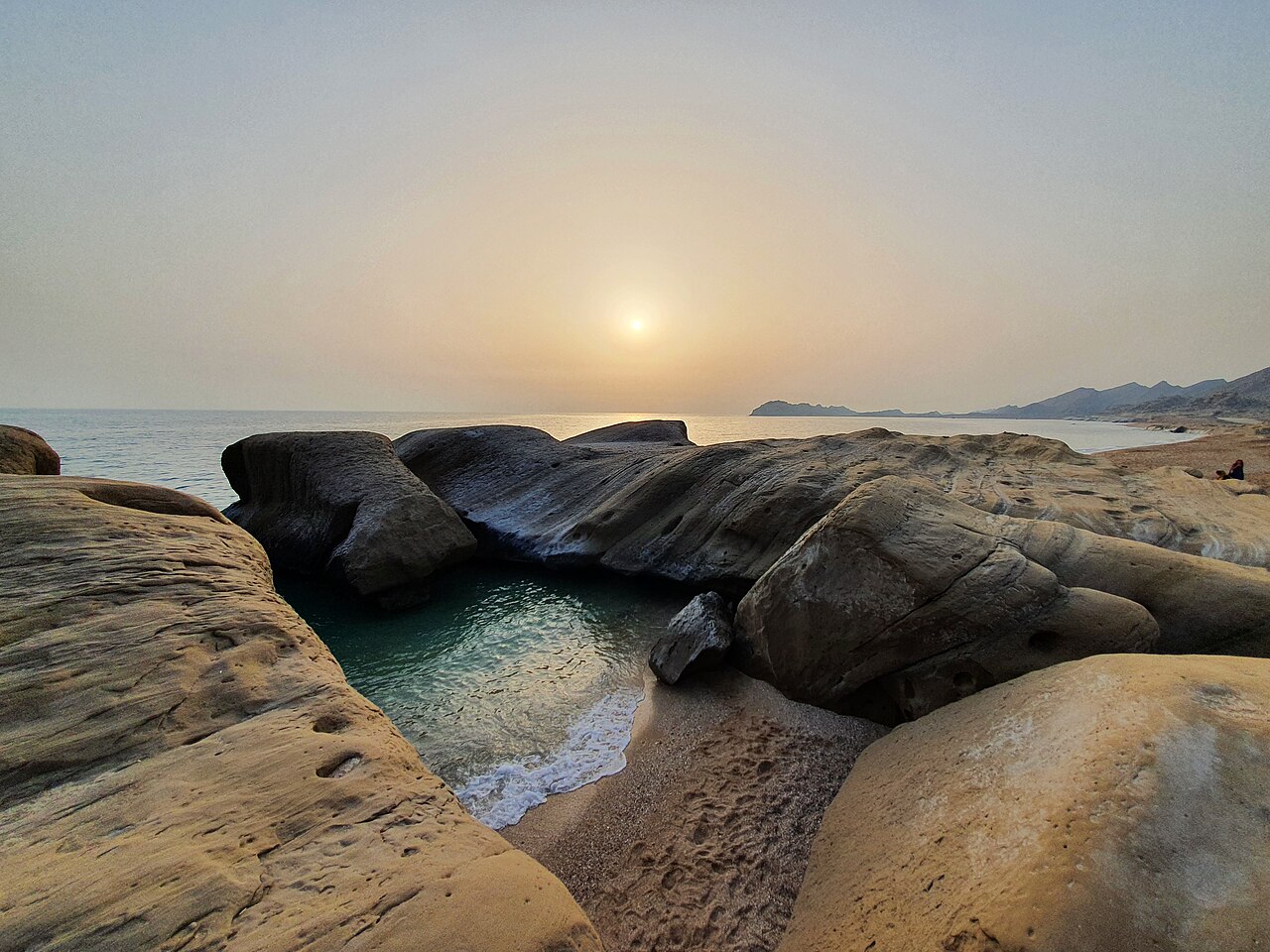
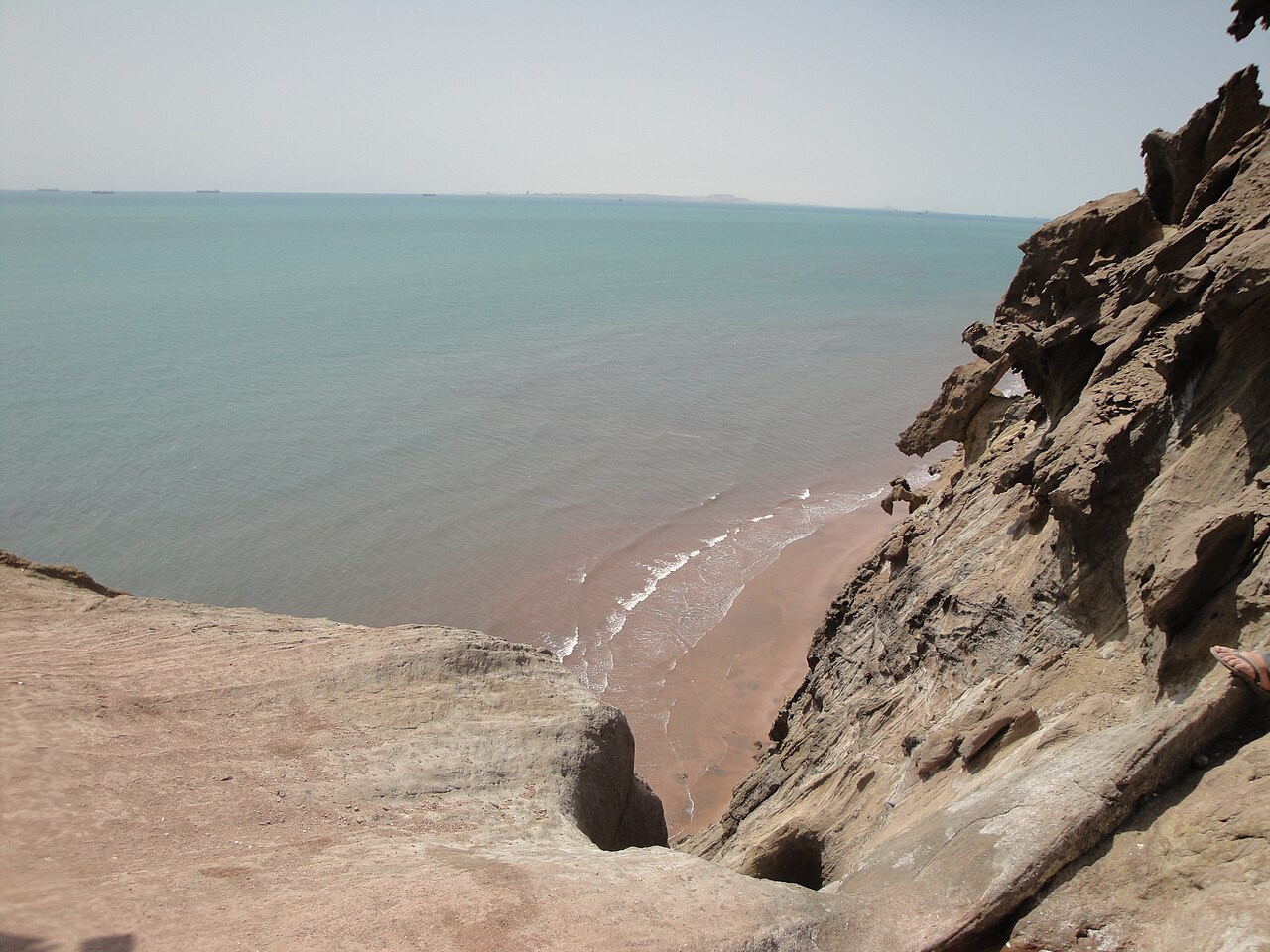
The province sits at the southern tip of the Zagros Range, giving it a predominantly mountainous character, yet it endures a scorching, humid climate where summer temperatures can push past 49 °C (120 °F) while annual rainfall remains minimal. Despite these harsh conditions, Hormozgan ranks first in Iran for lime production and second for dates, and contributes roughly 30 percent of the country's total fishery output. Three major hydroelectric dams—Esteghlal (also called Minab Dam, which supplies much of Bandar Abbas's drinking water), Jegin, and Shemil—address the province's water needs. The province stretches across 70,697 square kilometers, includes 14 islands in the Persian Gulf, and commands 1,000 kilometers of coastline, making its maritime and agricultural identity inseparable from its physical geography.
Modern Trade Infrastructure and Geopolitical Vulnerability
Today Hormozgan operates eleven ports, five air strips, and three national airports, underpinning its role as Iran's primary maritime gateway. Two free-trade zones anchor its commercial identity: one on Kish Island and another on Qeshm Island. Kish hosts the Iranian oil bourse, one of only five such exchanges worldwide and the sole one explicitly trading oil and derivatives outside the U.S. dollar. Germany has recently proposed constructing a bridge linking Qeshm Island to the mainland, a project that would further integrate the province's island economy. Yet the region's strategic value also renders it vulnerable. On July 18, 2026, a United States airstrike struck a water desalination plant in the village of Bunji, disabling the facility and cutting off drinking water to twenty nearby villages. Iranian provincial officials estimated that roughly 10,000 residents lost access to potable water as a result.
Living Heritage and Academic Life
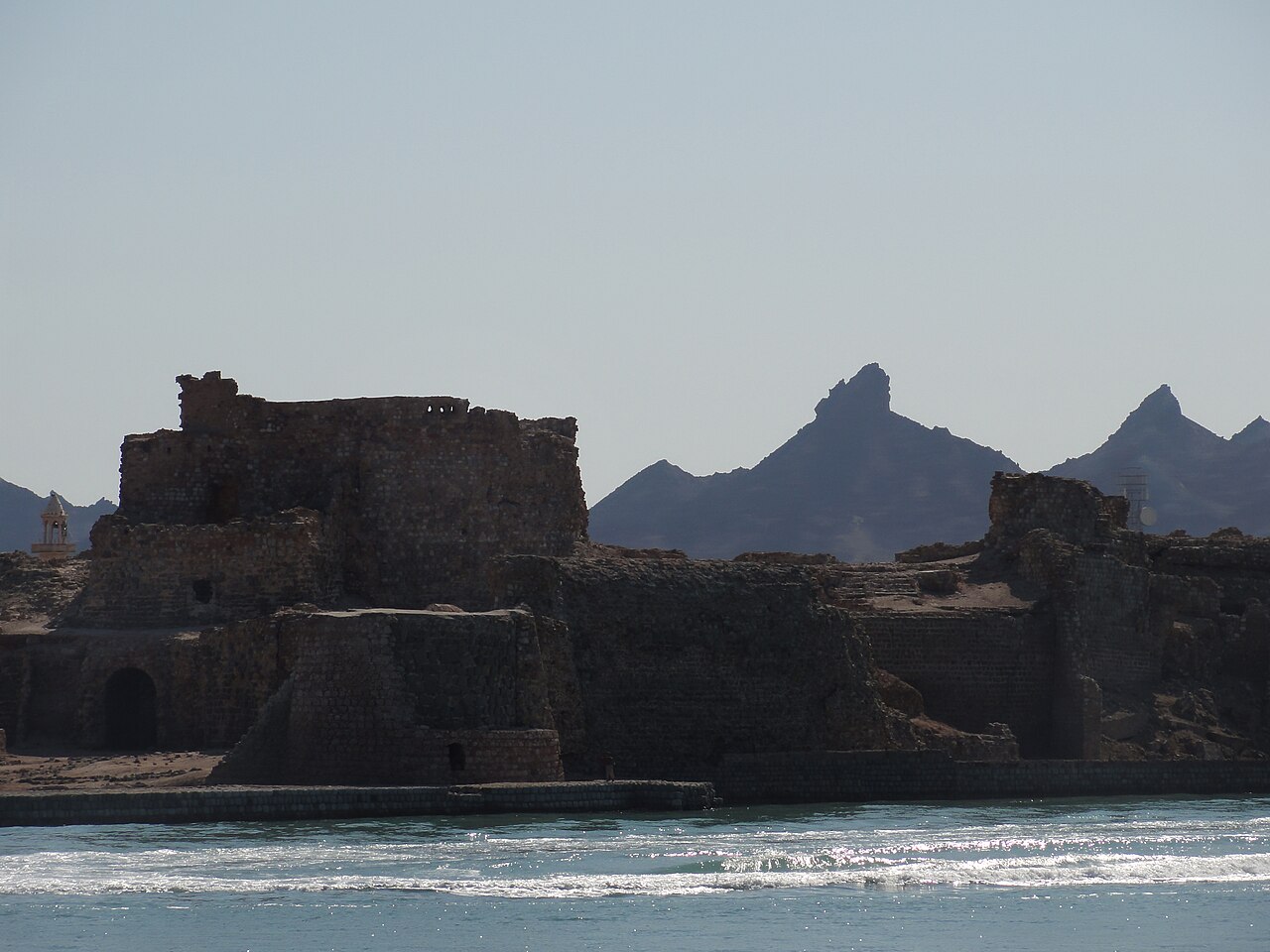
The Cultural Heritage Organization of Iran has catalogued 212 sites of historical and cultural significance across the province, reflecting layers of occupation from the Sassanid era through the Dutch period. Notable landmarks include the Dutch-built Emarat-e Kolah Farangi, six traditional rainwater reservoirs known as Berkeh haye Baran, the Gele-dari traditional bath, a Hindu temple, and the Latidan Bridge erected during Shah Abbas I's reign. Hormoz Island still bears the Fort of Our Lady of the Conception, a reminder of Portuguese presence. Two areas—Geno and Hara—hold UNESCO natural biosphere reserve status, and the Hara marine forests add a distinctive ecological dimension. Kish Island remains the most popular tourist resort in southern Iran's Persian Gulf coast. Academically, the province is served by several institutions, including the University of Hormozgan, Bandar Abbas University of Medical Sciences, Kish University, and branches of Islamic Azad and Payame Noor universities, supporting a population that grew from roughly 136,000 in 2006 to nearly 178,000 by 2016.
Gallery
Frequently Asked Questions
What is Hormozgan province and where is it located?
Hormozgan is one of Iran's 31 provinces, sitting in the country's far south along the Strait of Hormuz. It borders Oman and the United Arab Emirates across the water and belongs to Iran's Region 2.
What is the capital of Hormozgan province?
Bandar Abbas serves as the provincial capital, anchoring the region's identity as a major port and administrative hub on the southern coast.
What makes Hormozgan's geography unique among Iranian provinces?
No other province combines this many offshore islands in the Persian Gulf with a coastline of this length, giving Hormozgan a distinctly maritime character that sets it apart from the rest of the country.
More in Provinces Of Iran 1-24
Elsewhere in the Provinces Of Iran universe
Spotted an error? Know more?
This is a living reference — every entry is fact-audited, and reader corrections feed straight into our audit queue. Suggest an edit · See this site's audit record