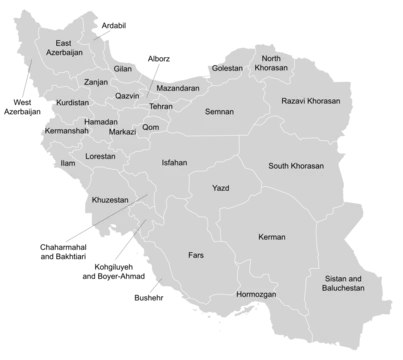
Isfahan province
Central Iranian province with Safavid heritage and diverse geography.

ak ba · CC BY-SA 3.0
Isfahan province is one of the 31 provinces of Iran, located in the center of the country. Its capital is the city of Isfahan. The province lies along the eastern foothills of the Zagros Mountains and covers both mountainous terrain and arid plains, contributing to its diverse climate and natural resources. Historically, it became the capital of Safavid Iran during the 17th and 18th centuries, with the city of Sepahan (Esfahan) as the monarchical seat and Kashan as a place of vacation and leisure.
- Capital
- Isfahan
- Annual average temperature
- 16.7 °C
Lore & Background
Isfahan province was initially recorded by historians as a defense and military base, with historical castles including Atashgah, Sarooyieh, Tabarok, Kohan Dej, and Gard Dej. The oldest castle is Ghal'eh Sefeed, and the grounds at Tamijan date from prehistoric times. The historic village of Abyaneh contains Sasanian ruins and fire temples. During the 17th and 18th centuries, the province became the capital of Safavid Iran, with Isfahan as the monarchical seat and Kashan as a vacation retreat. The province's population is predominantly Persian-speaking, with minority speakers of Luri, Turkic, Georgian, Biyabanaki, and Armenian. During the Pahlavi era, a large group of Kurds from the Gulbaghi tribe were moved from northern Kurdistan province to Isfahan, Yazd, Kashan, and Nayin, and are now mostly assimilated. Endemic species include the fish Esmaeilius isfahanensis and the plant Allium chlorotepalum. The province is the biggest milk and dairy producer in Iran and produces nine tons of saffron annually.
Reader's Guide
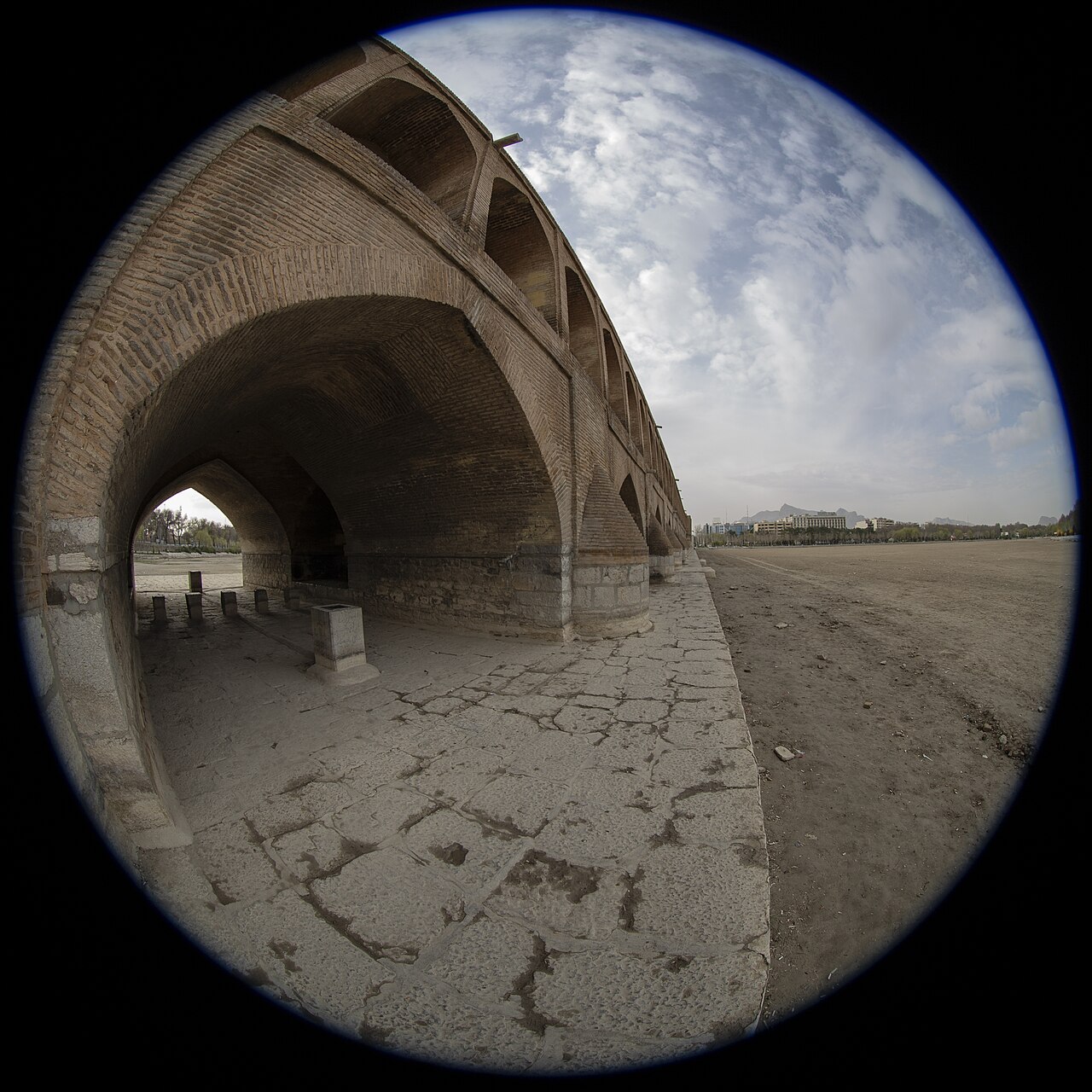
Isfahan province holds significance as a historical and cultural center of Iran, particularly during the Safavid era when it served as the national capital. Its geography, straddling the Zagros foothills and arid plains, has shaped a diverse climate and natural resources. The province is a major economic hub, being Iran's largest milk and dairy producer and a notable saffron producer. Its biodiversity includes endemic species such as the fish Esmaeilius isfahanensis and the plant Allium chlorotepalum. Military and nuclear research facilities are located within the province, including the Esfahan nuclear fuel research and production center. Tourism attractions include historic bridges such as Shahrestan bridge, Khajoo Bridge, Si-o-Se-Pol, and Choobi Bridge, as well as local cuisine like Shefte, Kachi, and Kebab Golpayegan.
Did You Know?
- The historic village of Abyaneh contains Sasanian ruins and fire temples.
- During the Pahlavi era, Kurds from the Gulbaghi tribe were relocated from northern Kurdistan province to cities including Isfahan, Yazd, Kashan, and Nayin.
Historical Roots and the Safavid Golden Age
Isfahan province carries layers of ancient military and defensive heritage. Early settlements were established as fortified bases, with castles such as Atashgah, Sarooyieh, Tabarok, Kohan Dej, and Gard Dej dotting the landscape. The oldest of these, Ghal'eh Sefeed, along with prehistoric grounds at Tamijan, stretches the province's recorded past back to the earliest human habitation. The village of Abyaneh preserves Sasanian-era ruins and fire temples, making it a living museum of Iran's layered history. The province's most transformative period arrived in the seventeenth and eighteenth centuries, when it became the seat of Safavid Iran. The city of Isfahan served as the monarchical capital, while the nearby city of Kashan functioned as the royal family's retreat for leisure and vacation. This dual arrangement elevated the entire province to the political and cultural heart of the empire, a status that still shapes its identity today.
Geography, Climate, and Natural Diversity
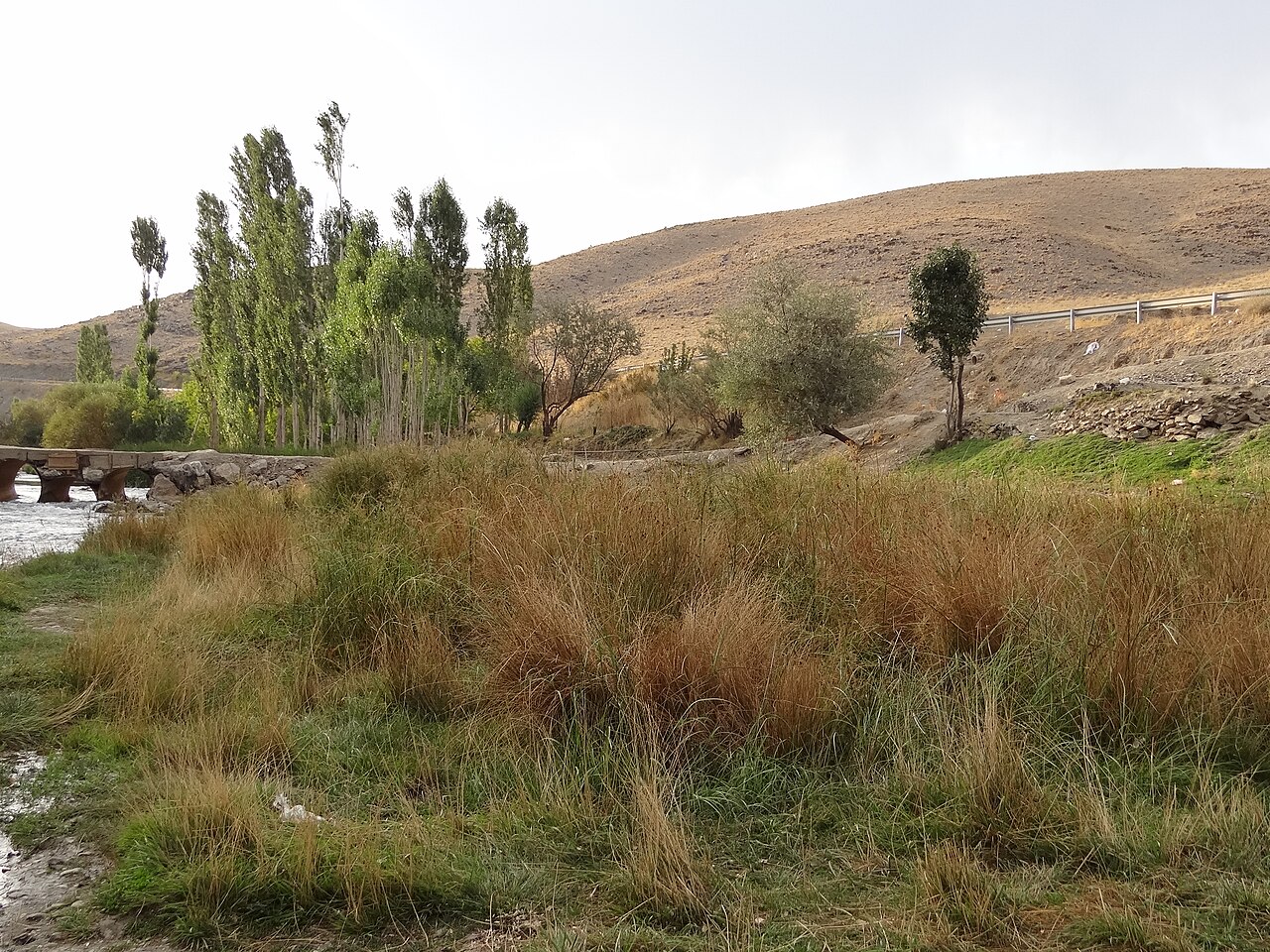
Spanning approximately 107,018 square kilometers in the center of Iran, Isfahan province sits along the eastern foothills of the Zagros Mountains, encompassing both rugged highland terrain and dry plains. This geographic diversity produces a moderate, predominantly arid climate, with temperatures swinging between roughly 40.6 degrees Celsius in summer and 10.6 degrees in winter, and an average annual rainfall of just 116.9 millimeters. The highest point, Shahankuh, rises to 4,040 meters southwest of Fereydunshahr. Waterways are generally small and seasonal, but the Zayanderud stands apart, stretching 405 kilometers through a 27,100-square-kilometer basin. The province's biodiversity includes the rare Esmaeilius isfahanensis, a cyprinodontid fish found at only three sites within the Zayanderud basin, as well as the endemic Allium chlorotepalum. The city of Isfahan itself enjoys a milder, four-season climate that contrasts with the surrounding arid landscape.
Economic Pillars and Strategic Industry
Isfahan province anchors several of Iran's most important economic sectors. It produces nine tons of saffron annually and stands as the country's largest milk and dairy producer, underscoring its agricultural depth. Beyond traditional farming, the province has embraced high-technology infrastructure, with approximately 18,000 active fiber-optic network ports connected as of mid-2023. The industrial and defense landscape is equally significant: Iranian armed forces maintain multiple installations within provincial borders, and the Esfahan Nuclear Fuel Research and Production Center operates here. The aerospace sector is represented by Hesa, a facility specializing in helicopter maintenance and weaponry. Tourism also contributes to the local economy, with iconic structures such as the Si-O-Se-Pol, Khaju, Shahrestan, and Choobi bridges drawing visitors to the provincial capital. Together, these sectors give the province a remarkably diversified economic profile.
Cultural Mosaic and Educational Reach
The population of Isfahan province is linguistically and ethnically rich. Persian dominates as the first language, but significant communities speak Luri, Turkic, Georgian, Biyabanaki, and Armenian. During the Pahlavi era, a large number of Kurds from the Gulbaghi tribe were relocated from northern Kurdistan province to Isfahan, Yazd, Kashan, and Nayin; today they are largely assimilated into urban life. Census data traces steady growth: from roughly 4.5 million residents in 2006 to over 5.1 million by 2016, with more than 88 percent concentrated in the province's cities. Education is a major draw, as the province hosts institutions including Isfahan University of Technology, Isfahan University, Kashan University of Medical Sciences, and numerous Islamic Azad University campuses. By 2023, approximately fifty thousand foreign students were enrolled in local schools, reflecting the province's role as an academic hub.
Gallery
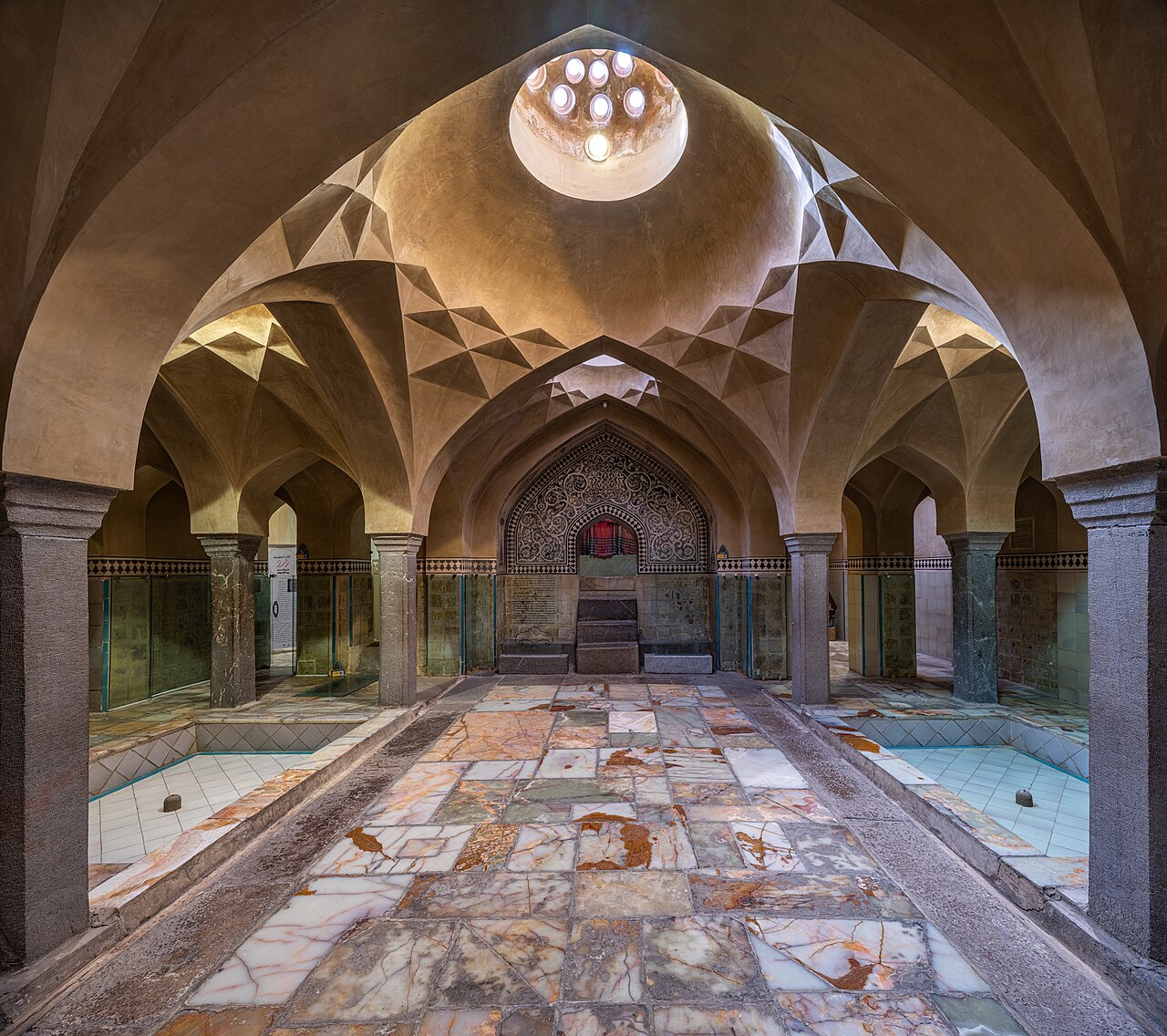
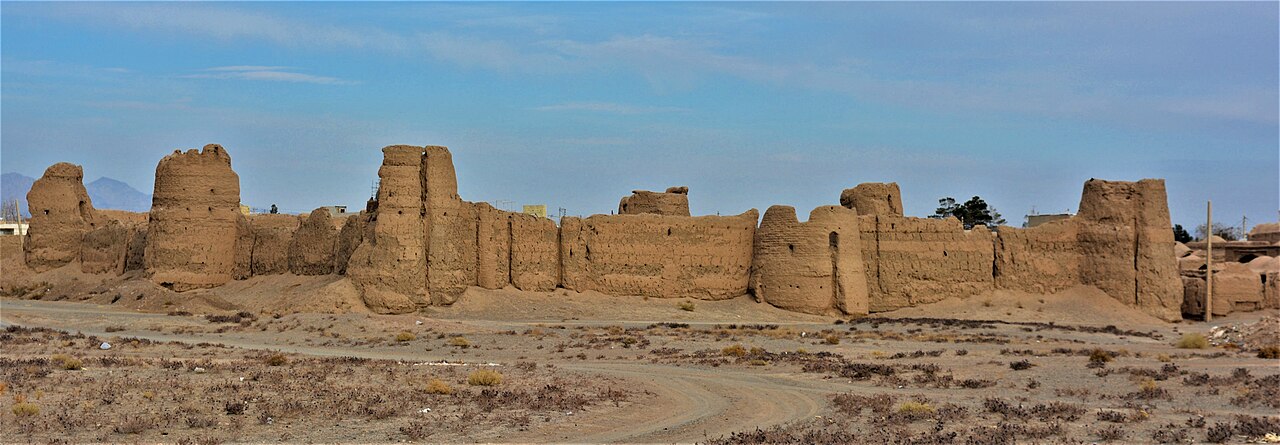
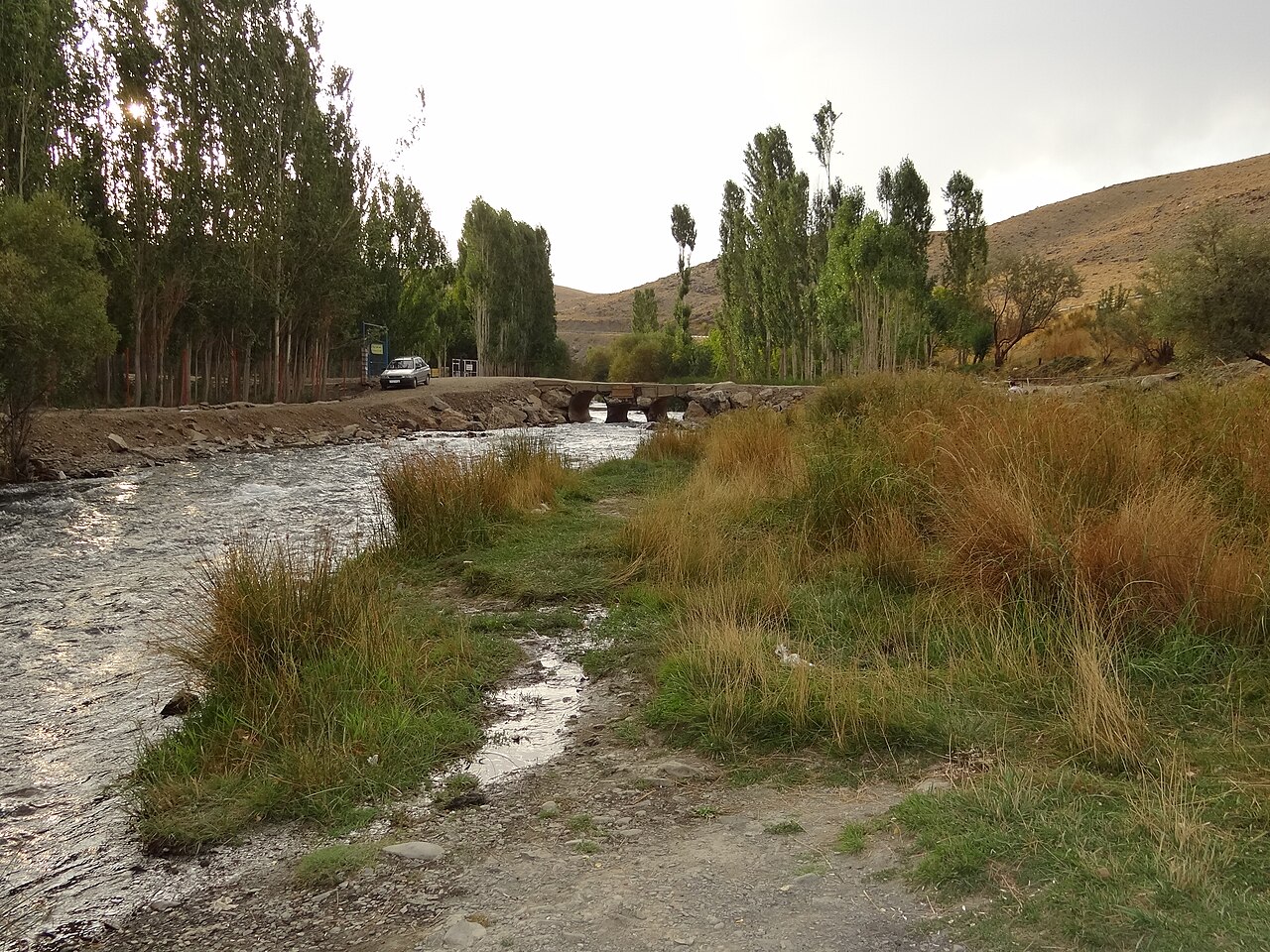
Frequently Asked Questions
How does Isfahan province's story end?
Its most iconic chapter came during the 17th and 18th centuries, when Safavid Iran made Sepahan (Esfahan) its monarchical capital and used nearby Kashan as a royal retreat for leisure. That imperial era left behind an architectural and cultural legacy that still anchors the province's identity today.
What is Isfahan province's signature move?
The province is best known for the extraordinary Safavid-era urban planning and architecture that once made Isfahan one of the most celebrated cities of the early modern world. Its combination of river, mountain, and plain ecosystems also positions it as a critical node in Iran's central water and resource network.
More in Provinces Of Iran 1-24
Elsewhere in the Provinces Of Iran universe
Spotted an error? Know more?
This is a living reference — every entry is fact-audited, and reader corrections feed straight into our audit queue. Suggest an edit · See this site's audit record